Contents
Demo Link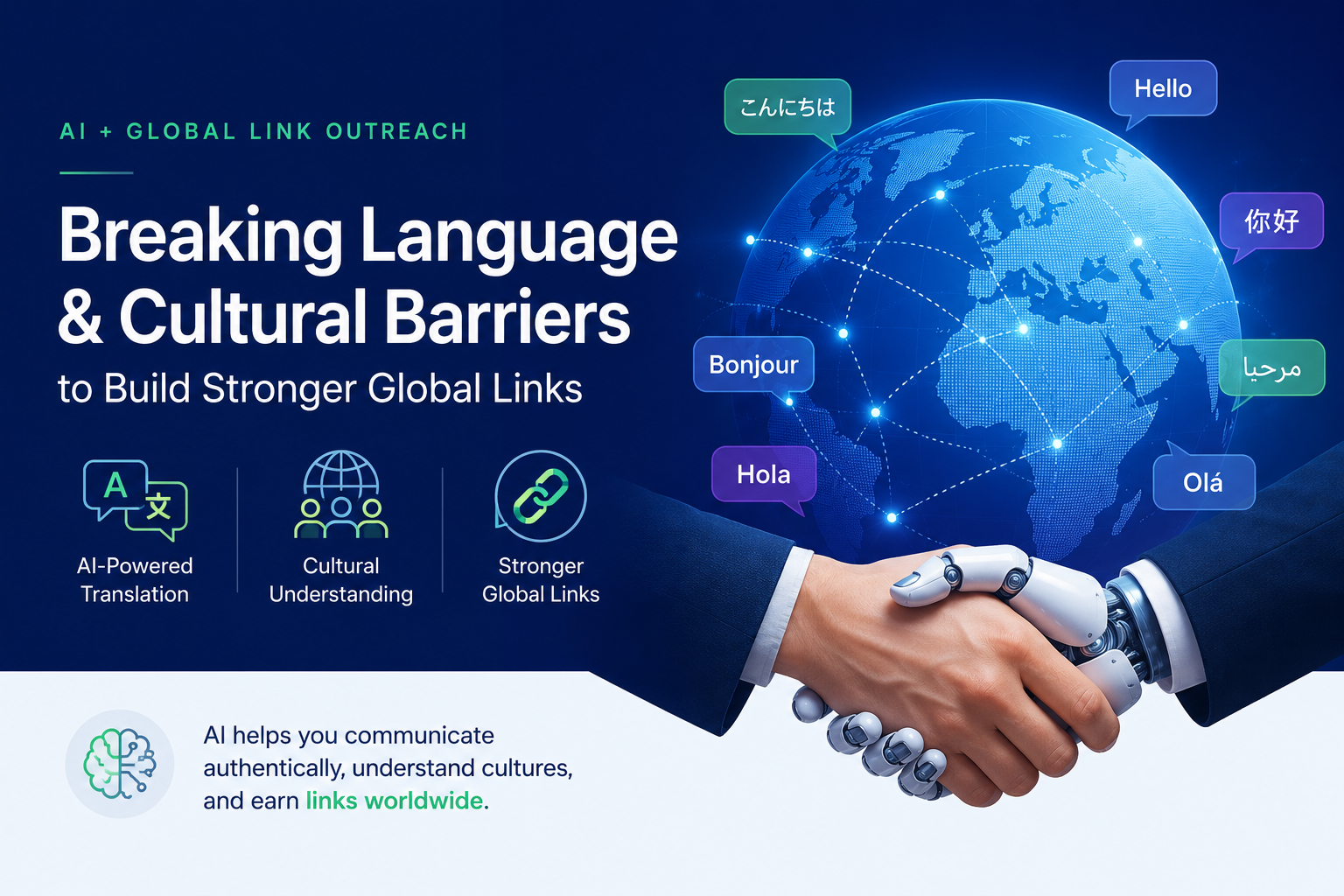
You spend time crafting a thoughtful, enthusiastic pitch for a top-tier industry publisher in Germany. You run it through an AI translator, double-check that the grammar is flawless, and hit send.
Then .....nada, nothing, no response.
What went wrong? The language was perfect, but the culture was lost. Your casual, high-energy tone—which regularly secures placements in the US or UK—felt overly familiar and slightly unprofessional to a German editor who expects directness, formal address, and immediate proof of value.
Now that we are well into 2026, the global digital landscape is more accessible than ever. Expanding your digital footprint globally isn't just an option; it's a necessity. Yet, this exact scenario plays out thousands of times a day. While many marketers understand how to use AI for basic efficiency, very few know how to use it for cultural empathy.
This is where the magic happens. By blending the unparalleled scalability of artificial intelligence with a deep understanding of human nuance, you can transcend simple translation and achieve genuine connection. Let’s explore how to overcome language and cultural barriers by building a culturally intelligent AI outreach strategy.
At its core, international link building is the process of acquiring hyperlinks from websites based in other countries or operating in different languages to improve your own site's global search engine rankings.
Historically, this required hiring local human copywriters to manually navigate the murky waters of international communication. Today, AI has democratized access to these markets. But it has also created a false sense of security.
The hidden trap lies in what industry experts call the "Localization Gap."
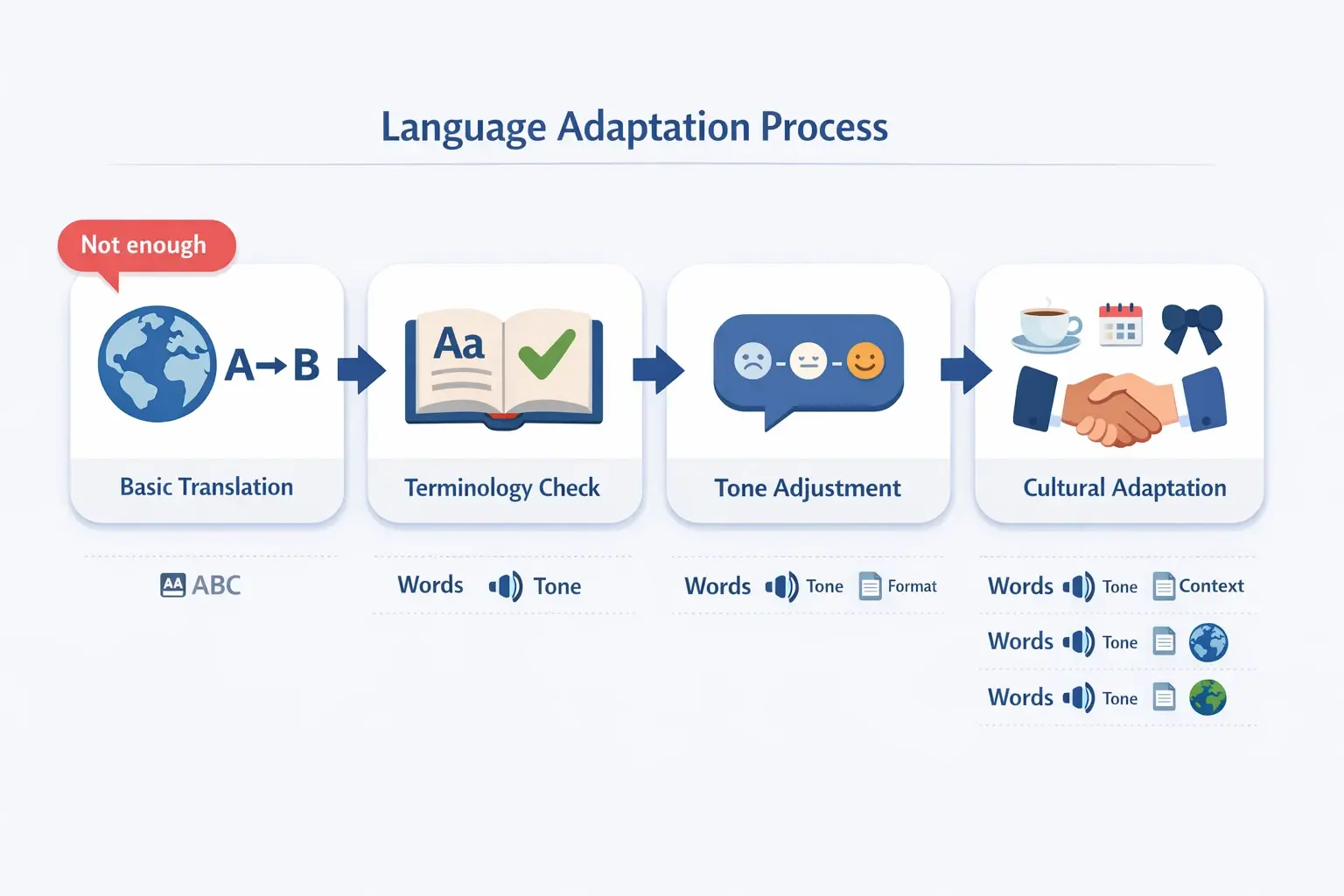
If you use a basic automated link building service to merely swap English words for Spanish or Japanese words, you are translating, not localizing.
Translation handles vocabulary; localization handles context.
Recent data highlights this stark difference: campaigns utilizing culturally sensitive AI see up to 77% higher conversion rates. In highly relational markets like the APAC region, properly localized messages driven by culturally intelligent AI consistently outperform generic translations by over 20%.
When we ignore cultural nuance, AI translation mistakes become glaringly obvious. A playful joke in an email might translate into a deeply offensive taboo. A straightforward request for a backlink might come across as aggressive. To win in global markets, we need to instruct our AI to act as a cultural liaison, not just a dictionary.
To effectively execute cross-border link building outreach, we must adopt a "Human-in-the-Loop" model. AI is incredibly powerful at processing vast amounts of data and generating initial drafts, but human judgment remains the ultimate arbiter of relationship-building.

Here is how you can build a repeatable, culturally intelligent workflow:
Before you ever draft an email, use your AI tools to research the market. Ask your Large Language Model (LLM) prompts like:
Not all websites value the same types of content. A data-heavy infographic might land well in North America, while a collaborative expert roundup might be favored in Latin America. Use modern link building tools alongside AI to identify publications that match not just your topical relevance, but your cultural approach.
Once you have your prospects, you don't just say, "Translate this to French." You must engage in Culturally Intelligent Prompt Engineering.
This is the secret weapon for modern SEOs in 2026. Prompt engineering for multilingual link building means setting strict parameters for tone, formality, and cultural expectations.

Instead of a generic prompt, try a framework like this:
The Culturally Intelligent Prompt: "Act as a native public relations expert in [Target Country]. Write an outreach email to an editor at a mid-sized tech blog. Goal: Propose a guest post about cybersecurity. Tone: [Insert cultural preference, e.g., Formal and respectful, utilizing proper honorifics]. Structure: [Insert cultural preference, e.g., Open with a polite inquiry about their recent work, followed by a soft, indirect proposal]. Avoid: [Insert cultural taboos, e.g., Overly aggressive sales language, idioms that don't translate]."
By feeding the AI the rules of engagement rather than just the language, you generate a message that feels natively written.
As you scale your link building campaign across multiple borders, you are stepping into a complex web of varying data privacy laws (like GDPR in Europe) and ethical considerations.
In the early days of SEO, forums were filled with debates over manipulative tactics. If you've ever seen a quiz asking, black hat seo focuses on human audience true or false, the answer is a resounding false. Black hat tactics focus on tricking search engine algorithms. Ethical AI, on the other hand, is completely centered on respecting the human audience.
When conducting outreach across borders, ethical AI usage means:

Whether you are seeking simple backlinks or executing complex types of digital pr, an ethical, culturally aware approach is what separates spam from valuable partnership building.
AI acts as an accelerator for discovery, translation, and initial drafting. It can process vast lists of international prospects, translate your core value proposition into multiple languages, and format emails. However, its most powerful role is acting as a cultural research assistant, helping you understand local etiquette before you initiate contact.
Out-of-the-box, most AI does not handle cultural nuance well—it defaults to a generic, often Western-centric corporate tone. It only handles cultural nuances when you apply "Culturally Intelligent Prompt Engineering," explicitly telling the AI which cultural rules, formalities, and communication styles to adopt for a specific region.
No. The most successful international campaigns use a "Human-in-the-Loop" model. AI handles the scale (finding contacts, drafting localized messages), but human link builders are required to review the cultural appropriateness, negotiate the actual relationships, and oversee ethical compliance.
You must actively audit your AI outputs. AI models are trained on historical data, which can carry biases. Always have a human review AI-generated messages to ensure they don't rely on stereotypes, inappropriate humor, or culturally insensitive assumptions. When in doubt, lean towards polite, formal, and transparent communication.
Overcoming language and cultural barriers isn't about finding the perfect translation software; it's about shifting your mindset. Your goal isn't to blast the world with generic emails—it's to use technology to build authentic, respectful bridges with webmasters and journalists in their own cultural languages.
When you treat AI as an assistant that requires your human empathy and strategic guidance, the entire world truly becomes your market.
If you're realizing that your current outreach might be getting lost in translation, it might be time to rethink your foundation. Start by evaluating your current templates: Are they translated, or are they localized? By taking the time to build cultural intelligence into your AI workflows, you don't just build links—you build lasting global authority.