Contents
Demo Link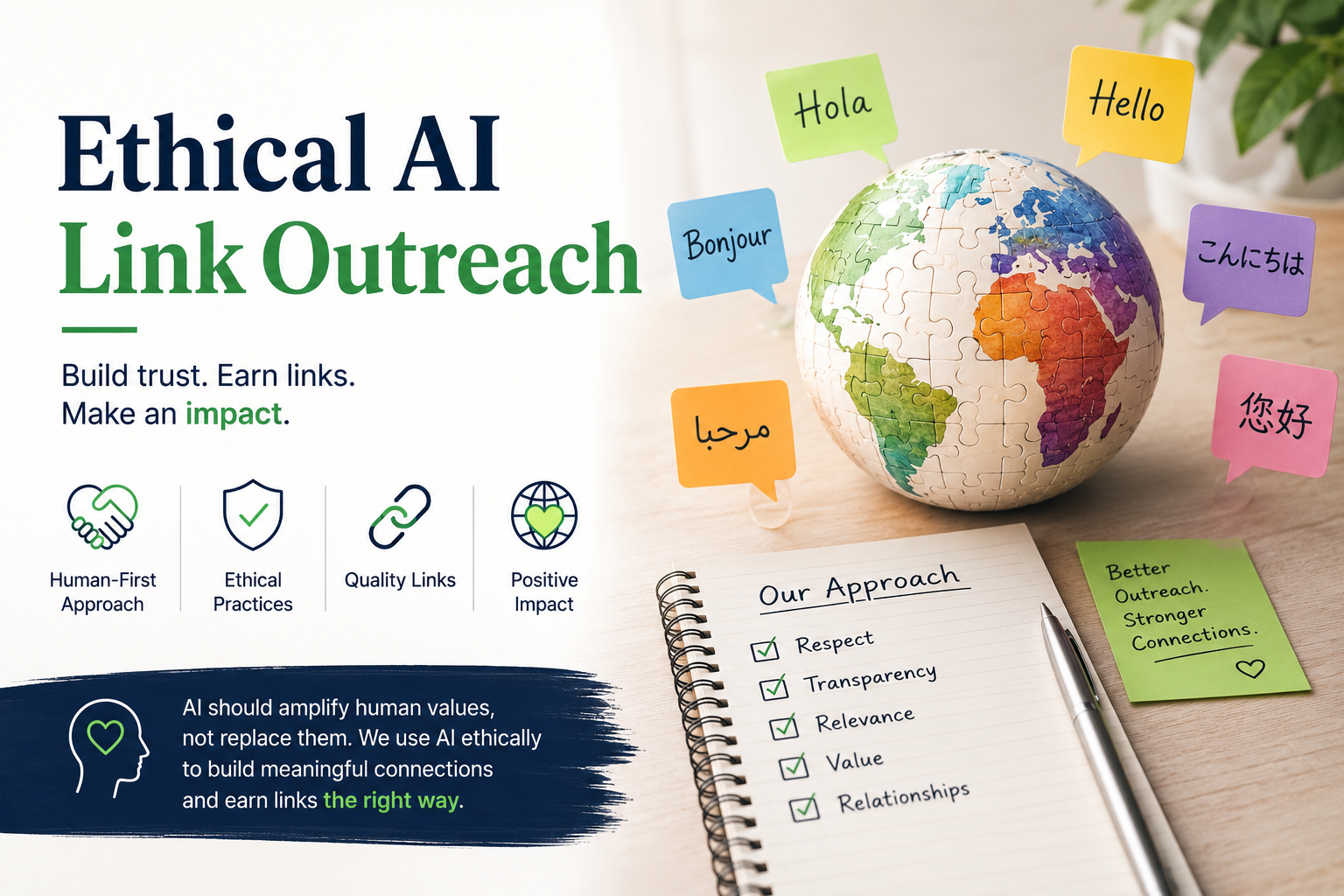
We’ve all received that email in our inbox.
It usually starts with something like, “Hey [First Name], I read your fascinating article on [Vaguely Related Topic], and it completely changed my perspective!”
Just a few years ago, we might have been flattered. But today, in 2026, our digital instincts immediately fire a warning signal. The message feels incredibly specific, yet entirely hollow. It has plunged headfirst into the “uncanny valley” of digital communication—a hyper-personalized pitch lacking an actual human pulse.
As artificial intelligence becomes an indispensable part of search engine optimization, the conversation has largely focused on speed and scale. But there is a massive difference between generating thousands of emails and actually building a relationship.
If you are stepping into the world of digital outreach, it’s vital to understand that the most successful SEO strategies aren't entirely automated. They rely on ethical AI—using technology to do the heavy lifting of research and data analysis, while fiercely protecting the authentic human connection that ultimately wins trust.
Let's explore how to bridge the gap between algorithmic efficiency and genuine human warmth.
To understand why ethics and authenticity matter so much right now, we have to look at the current digital landscape.
By 2026, AI tools have democratized content creation and data analysis. Anyone can spin up an outreach campaign in minutes. Because of this, inbox fatigue is at an all-time high, and webmasters, editors, and site owners have developed a hypersensitivity to automated spam. Google and other search engines have also evolved, employing sophisticated systems to devalue manipulative link-building tactics and prioritize authentic, authoritative connections.
When you launch a new link building campaign, the goal isn't just to trick an algorithm; it’s to convince a real human being that your resource is genuinely valuable to their audience.
Recent data highlights that over 79% of consumers and business partners will walk away from a brand if they feel their data is misused or their interactions are deceptive. When AI is used unethically—such as scraping personal data without consent or fabricating a fake persona—it doesn't just result in ignored emails. It creates lasting reputational damage.
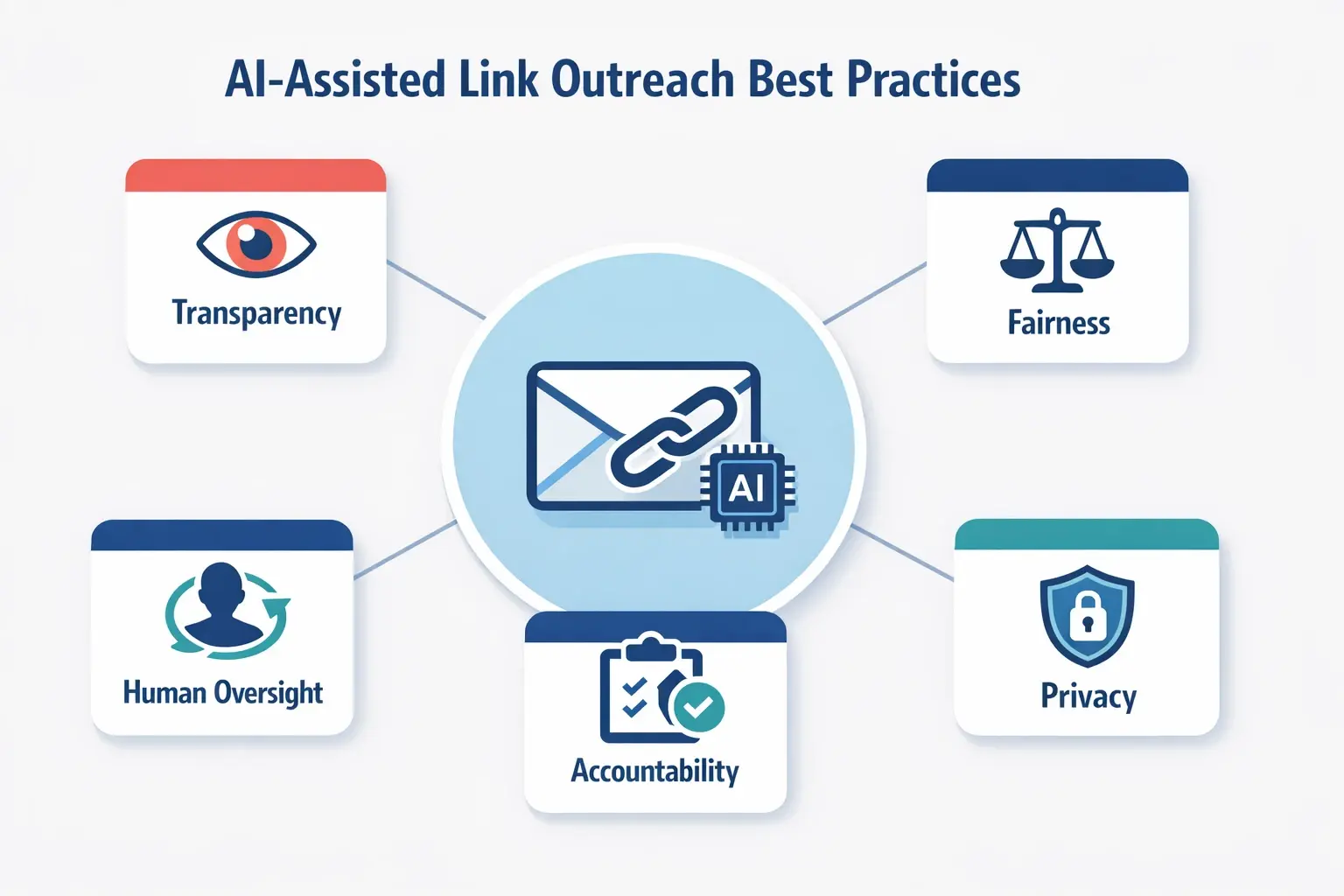
Ethical AI isn't about avoiding technology; it’s about using it responsibly. Think of AI as your brilliant, lightning-fast research assistant, not your company’s spokesperson.
To maintain that vital balance, your outreach strategy should be grounded in these core human-centered principles:
These principles are especially critical in b2b link building, where the stakes are high, and professional reputation is everything.
So, how do we practically apply these principles? The most successful SEO teams in 2026 utilize a "Human-in-the-Loop" (HITL) workflow. This means integrating human oversight at critical junctures of AI-driven processes.
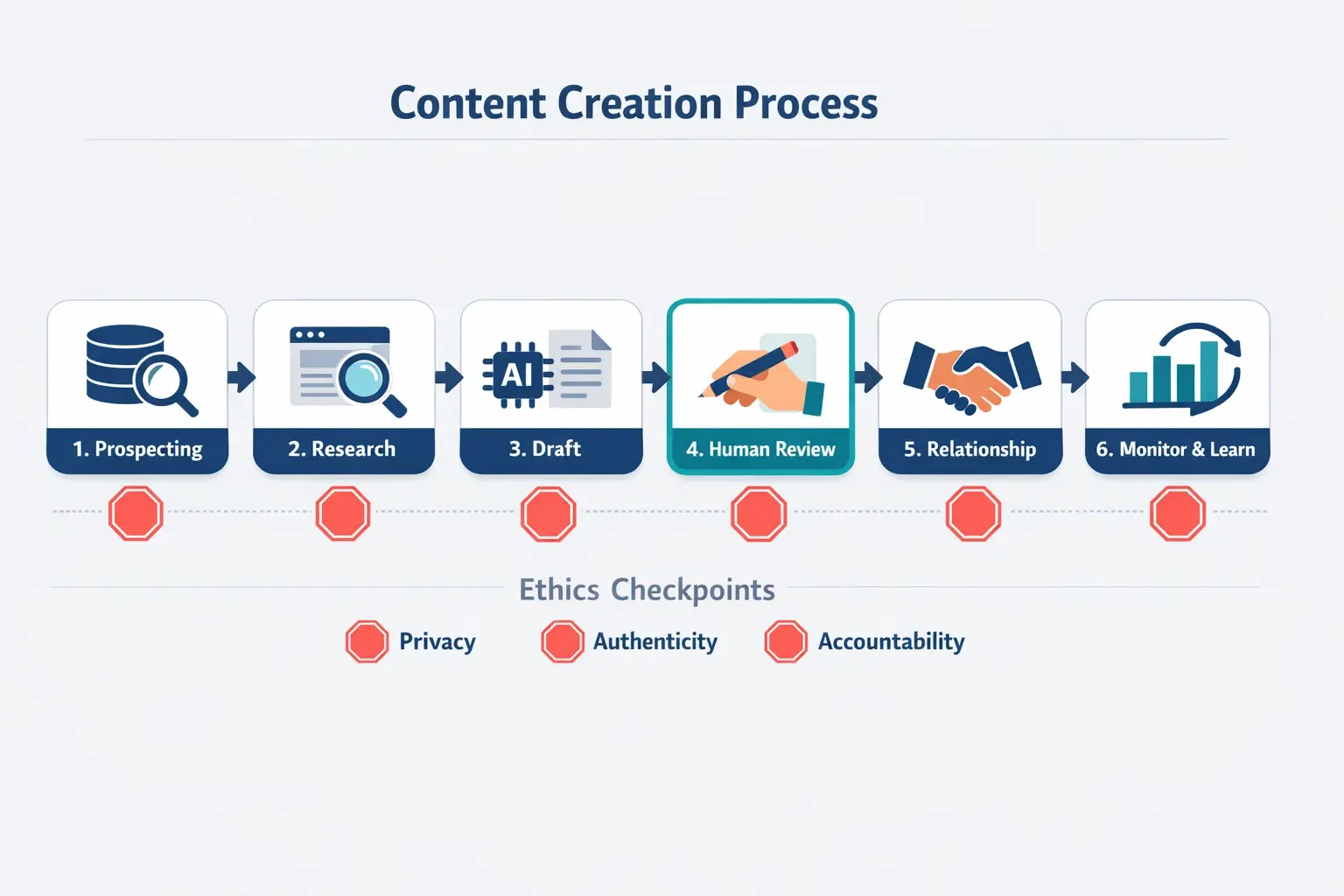
AI is incredible at finding patterns in massive datasets. For example, if you are pulling data from an unlinked mentions ahrefs report, an AI tool can rapidly sort through thousands of URLs to highlight the domains with the highest authority and relevance.
However, a human must evaluate context. An AI might identify a site with high traffic, but a human can instantly recognize if that site aligns with your brand values. A human can also quickly steer clear of manipulative link farms that exist solely to sell guest posts, choosing instead to pursue genuine editorial platforms.
AI can overcome the dreaded blank page by drafting an initial email framework or suggesting subject lines. But the magic happens when a human strategist injects empathy, humor, and shared context into that draft.
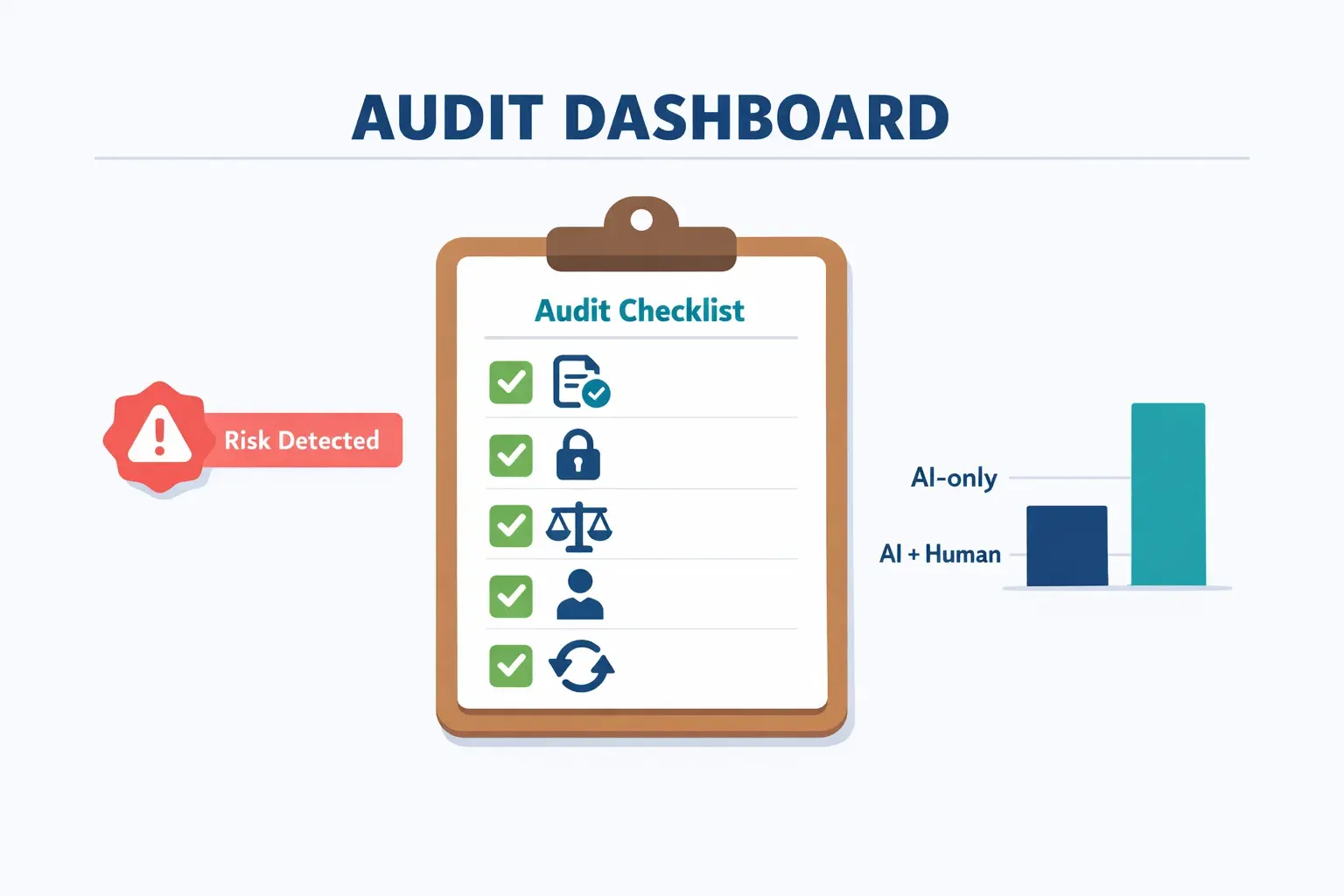
This hybrid approach drastically outperforms a fully automated link building service that removes the human entirely. In fact, studies show that sales and outreach teams utilizing a human-AI hybrid model experience up to 50% higher engagement rates than those relying on pure automation.
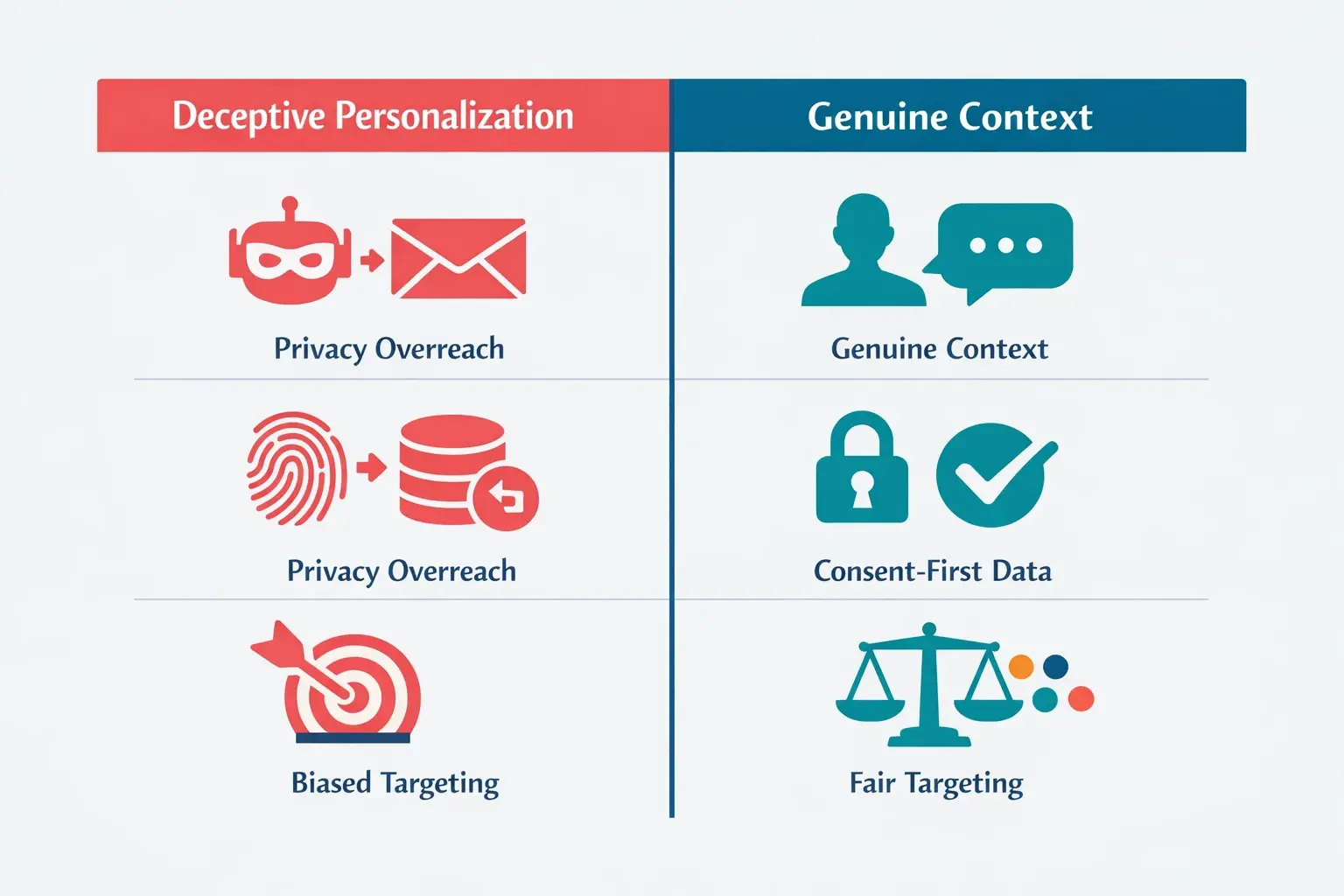
Even with good intentions, it’s easy to stumble when adopting new technology. Here are a few common link building mistakes related to AI ethics that you should actively avoid:
If you want to ensure your operations are above board, consider implementing these steps:
The future of digital growth doesn’t belong to the brands with the most aggressively automated bots. It belongs to the brands that use advanced technology to empower their human teams to be more empathetic, strategic, and genuinely helpful.
By treating AI as an amplifier for authentic human connection rather than a replacement for it, you position your brand as a trusted authority. In the modern digital ecosystem, that trust is the ultimate ranking factor.
Ready to explore how data-driven, quality-first SEO can elevate your brand's presence? Continue learning about advanced link strategies and see how focusing on quality over quantity can transform your search visibility.