Contents
Demo Link
SEO and content marketing work best when they work together. SEO tells you what people are looking for, where competitors are falling short, and which opportunities are worth chasing. Content takes that insight and turns it into something people actually want to read: clear, useful, and engaging.
Consider this: over 53% of website traffic is from organic search. That means creating content without thinking about SEO is like building a shop on a street no one walks down.
When you combine the two, your content reaches the right audience, keeps them engaged, and earns the authority that search engines reward.
In this guide, we’ll break down how to craft SEO-driven content, why it matters, and how strategic links can amplify your results to turn content into a true growth engine.
SEO-driven content marketing is the point where keyword intent, audience needs, and useful content meet. Instead of creating content and hoping it ranks, this approach starts with understanding what people are searching for and why they’re searching for it.
The content is then built to answer those questions clearly and in a way that search engines can recognize as valuable.
It’s not a choice between “SEO” or “content.” They work together. SEO gives you direction: keywords, search behavior, and market gaps. Content gives you the substance: the explanations, the insights, the solutions your audience is actually looking for.
SEO and content marketing often get treated like different disciplines, but they’re most effective when they work together. SEO brings direction. Content brings depth. When both align, your organic performance becomes much easier to scale.
Let's dig deeper:
SEO gives you a look into what your audience is actually searching for. Not assumptions, not gut feeling; real behavior.
It helps you figure out:
So instead of publishing blind, you know exactly what your content needs to answer.
Once the strategy is in place, the content does the heavy lifting. Strong, helpful material is what earns attention. It’s what gets shared, linked to, cited, and bookmarked. And those actions send a simple signal to search engines: this page is worth showing.
Good content:
Search engines notice that kind of engagement.
It works in a simple cycle: SEO guides your content → content gains visibility → visibility reinforces SEO.
Without quality content, SEO has nothing to amplify, and without SEO, even great content can go unnoticed. Together, they drive sustainable organic growth.

SEO-driven content marketing works because it solves two problems at once: getting the right people to your site and giving them something worth staying for.
When both pieces are in place, the results look something like this:
Good content only matters if the right audience can find it. SEO helps you tap into real search behavior so your content shows up at the exact moment someone is looking for answers.
This means:
It’s hard to nurture leads if no one sees your work. SEO ensures they do.
Consistently ranking for topics that matter to your industry does something simple but powerful: it builds familiarity. When people keep seeing your site appear for core questions and challenges, you start becoming the brand they associate with expertise.
And when your content actually helps them, that recognition sticks.
SEO isn’t only about ranking; it’s also about clarity, structure, and ease of use.
When you follow solid SEO practices, your content naturally becomes easier to navigate, skim, and understand.
That leads to:
Search engines notice those signals, and so do readers.
Search engines reward content that genuinely answers questions. Not filler, not keyword stuffing, just clear, useful explanations.
When your content delivers real value, a few things tend to happen:
Those actions strengthen your authority, which strengthens your rankings.
Strong content makes link-building easier. When a piece is well-researched, unique, or genuinely helpful, other websites are more likely to reference it.
These backlinks are still one of the clearest signals to search engines that your content deserves visibility.
When readers consistently find helpful content on your site, they start viewing your brand as a reliable source. As that trust grows, so does your influence in the search results.
It’s a cycle that builds on itself: good content brings visibility, visibility brings trust, trust brings higher performance.

A strong SEO content strategy isn’t about pumping out posts or chasing keywords.
It’s about understanding what people need, creating something genuinely useful, and making it easy for search engines to surface it. Here’s how to approach it:
A solid strategy starts with intent. Every search has a motive behind it, and your content should match what people expect to find. Look at the results page for your target queries and pay attention to the formats, angles, and depth of the top-ranking pieces.
The SERP usually tells you exactly what readers want, what they’re comparing, and how much detail they expect.
Search engines don’t reward you for posting nonstop, but consistency helps you stay relevant and expand your topical footprint. Each new piece gives you another chance to appear in search, answer a question your competitors ignored, or support an existing page.
A steady cadence also helps you build authority within your niche over time.
A smart content plan leans on research, not guesswork. Compare what you’ve published with what similar brands are ranking for. Look for topics you haven’t covered, pages that need updating, or keywords where competitors dominate.
These gaps often turn into quick wins once you publish something more comprehensive or up-to-date.
Search engines reward clarity and usefulness. Focus on content that explains things plainly, brings a fresh angle, or offers details readers can’t find elsewhere. Whether it’s a guide, tutorial, or opinion piece, the goal is to leave the reader with real value.
Pieces that feel trustworthy and complete tend to earn longer engagement and more shares, which strengthens your overall SEO performance.
Technical cleanup matters, but it shouldn’t overshadow the writing. Make sure your page has a clear structure, natural keyword placement, a strong title, and a meta description that actually earns the click.
Keep the experience smooth on mobile and fast on load. These small tweaks make your content easier to interpret and more likely to surface in search.
Even the best articles need a push. Share your content on the platforms where your audience already spends time. Use email, social posts, communities, and partnerships to bring in early traffic and signal relevance.
Promotion helps your content reach the right people faster, which often speeds up how quickly search engines recognize its value.
Backlinks remain one of the clearest indicators of authority. The easiest way to earn them is to publish work people want to reference, original insights, research, detailed breakdowns, or strong perspectives backed by experience.
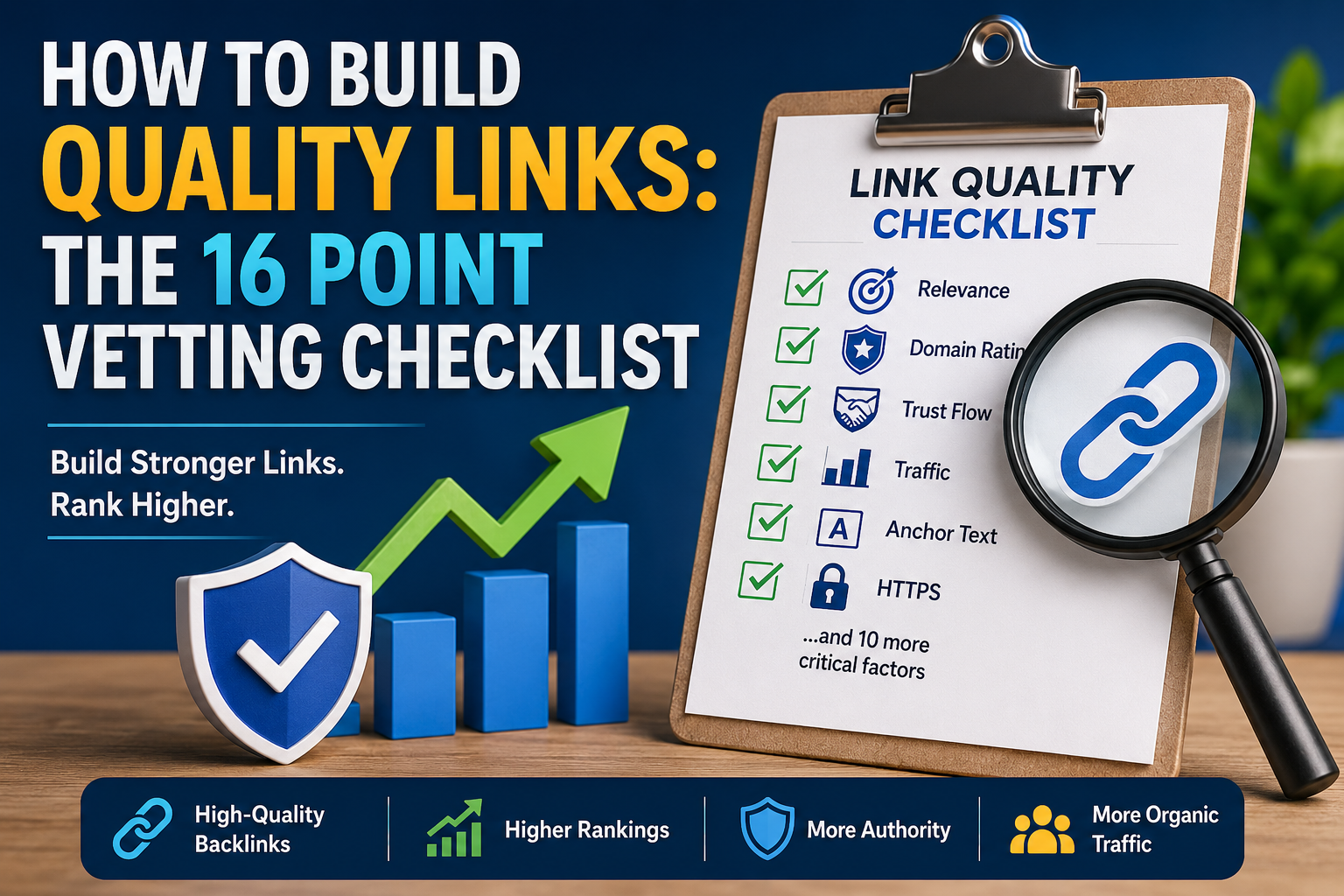
You can also pitch guest posts or collaborate with industry experts to get your content in front of new audiences and increase your chances of earning credible links. If you want a quick refresher on what really works, here’s a simple guide on how to build quality links.

You don’t need an overloaded toolkit to run a solid SEO content operation. A handful of reliable tools can cover your research, planning, and optimization without adding friction.
These are the ones that deserve a place in your day-to-day workflow:

There’s a point where doing everything in-house starts to slow you down.
Maybe you’re publishing inconsistently, your rankings have stalled, or you’re guessing more than you’re measuring. That’s usually the signal that outside help can make a real difference.
You might consider bringing in an SEO content team when:

Strong content gets you in the game, but links are what push that content into real visibility. They signal authority, help search engines understand which pages matter, and give your best work the momentum it needs to rank. For competitive industries, earning niche-relevant backlinks gives your content a clearer path to rise above similar pages.
Here’s what strategic linking actually does for you:
Most teams hit a wall here. Creating content is one thing; earning the right links for it is a different skill set entirely. It takes judgment, outreach experience, and a clear sense of what actually moves rankings versus what just looks busy on a spreadsheet.
That’s where Profit Engine steps in. We focus on relevance over volume and build links that genuinely support the strategy behind your content, not random placements that sit on low-value domains.
Get started today and boost your content with high-quality, manually placed links that drive safe, strategic SEO results.

Here are answers to some of the most common ones to help you make informed decisions and get the best results:
Content that genuinely answers questions, addresses problems, or offers unique insights performs the best.
Search engines favor long-form guides, how-to articles, data-backed pieces, and authoritative resources because they provide real value to readers.
Focus on quality first. Publishing more content won’t help if it fails to engage or provide value.
Prioritize well-researched, useful, and optimized pieces; volume only works when the content itself is strong.
Yes. Updating older posts, turning a blog into a guide, or creating infographics from key points can breathe new life into content.
Repurposing helps target new keywords, attract fresh traffic, and maintain your site’s relevance without starting from scratch.
SEO is a long-term game. Most content takes 3–6 months to gain traction in search results, depending on competition, content quality, and the strength of your link profile.
Regular updates, promotions, and strategic links can accelerate visibility.
SEO-driven content marketing is more than just writing and publishing; it’s a strategic process. Start by understanding what your audience is searching for, create content that delivers real value, and optimize it so search engines can recognize its relevance.
Consistency, promotion, and filling gaps your competitors miss all strengthen your content’s reach.
The final piece is strategic link-building. That’s where My Profit Engine comes in. With an exclusive focus on manual, high-authority link placements, a strategy-first approach, and safe, relevant links tailored to your content, they help your pages gain visibility, strengthen authority, and achieve lasting SEO results.
Turn your content into a powerful SEO asset. Get your link strategy today.